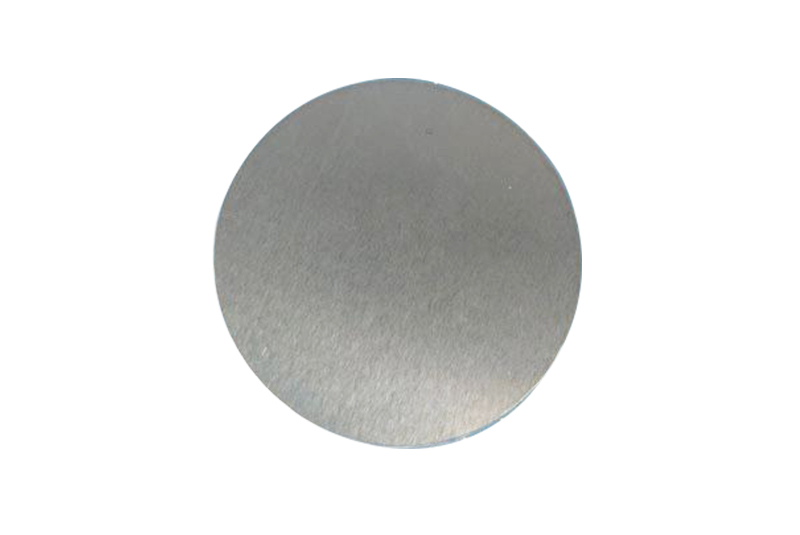
Tantalum has a series of excellent properties such as high melting point, low steam pressure, good cold working performance, high chemical stability, strong resistance to liquid metal corrosion, and high dielectric constant of surface oxide film. Therefore, tantalum has important applications in high-tech fields such as electronics, metallurgy, steel, chemical industry, cemented carbide, atomic energy, superconducting technology, automotive electronics, aerospace, medical health and scientific research.
|
Element Introduction |
Elemental Property |
||
|
Chinese Name |
Tantalum |
Coefficient of Expansion |
- |
|
Molecular Formula |
Ta |
Thermal Conductivity |
57.5W·m-1·K-1 |
|
CAS.No |
7440-25-7 |
Electrical Resistivity |
- |
|
State of Matter |
Solidity |
Young's Modulus |
186 GPa |
|
Density |
16.69·cm³ |
Shear Modulus |
69 GPa |
|
Boiling Point |
3017℃ |
Bulk Modulus |
200 GPa |
|
Fusing Point |
5458℃ |
Mohs Hardness |
6.5 |
|
Heat of Fusion |
36.57 kJ·mol-1 |
Brinell Hardness |
800Mpa |
|
Heat of Vaporization |
732.8 kJ·mol-1 |
Magnetic Sequence |
Paramagnetism |
|
Specific Heat Capacity |
25.36 J·mol-1·K-1 |
Crystal Structure |
Body-centered cube |
Semiconductor
Using a physical vapor deposition (PVD) process, a tantalum sputtering target is "sputtered" onto a semiconductor substrate to form a thin film diffusion barrier to protect the copper interconnect. Tantalum sputtering targets are also used in a variety of other products, including magnetic storage media, inkjet printer heads, and flat panel displays.
Engine Turbine Blade
The high melting point and corrosion resistance make it ideal for alloying applications. Tantalum is used in nickel-based superalloys and is mainly used for turbine blades in aircraft engines and land-based gas turbines.
Chemical Processing Equipment
Its extremely high corrosion resistance and high temperature properties make the metal an ideal construction material for the linings of containers, pipes, valves and heat exchangers in the chemical and pharmaceutical industries.